Hello Beautiful: A Designer's Review for Real Embroidery Projects
As a designer who has spent years turning digital concepts into tangible stitched goods, I approach every new machine embroidery design with a specific set of questions. Does the line weight hold up when converted to satin stitch? Is the negative space sufficient for fill stitch without causing fabric puckering? Most importantly, does the design convey the right emotion when translated from a crisp screen to textured thread? Today, I am evaluating the "Hello Beautiful" design, an inspirational quote that promises warmth and positivity. While the product listing highlights its versatility as an SVG file for Cricut or a PNG for print, my focus is strictly on how this embroidery file performs in a real-world crafting environment.
First Impressions: Visual Weight and Emotional Tone
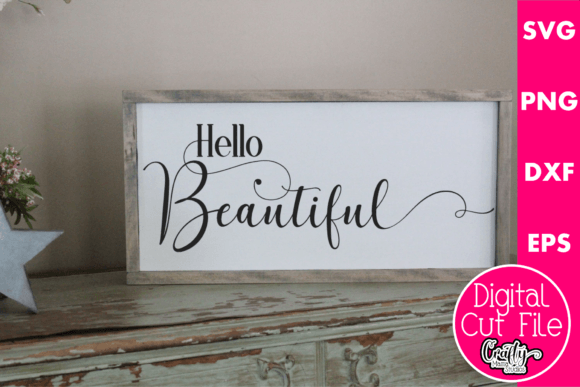
At first glance, "Hello Beautiful" exudes a soft, welcoming energy. The typography appears balanced, avoiding the extreme thinness that often plagues inspirational quotes when digitized. In the realm of Crafts, where handmade items compete for attention on Etsy shelves and at craft fairs, the visual personality of a design is paramount. This particular Graphics asset feels grounded yet airy. It suggests a script or semi-script style that would translate well into a flowing satin stitch, provided the digitizer has maintained adequate spacing between the letters.
The mood it creates is one of gentle encouragement, making it an ideal candidate for personalized gifts. However, before committing to a client order or a boutique run, I always scrutinize the layout. Does the text curve naturally, or does it sit rigidly flat? For "Hello Beautiful," the flow seems organic, which is crucial when applying it to curved surfaces like caps or the chest area of a sweatshirt. The detail level appears moderate—enough to be interesting but not so dense that it requires excessive trimming of loose threads, a common frustration in high-volume production.
A Real-World Scenario: The Custom Tote Bag Project
To truly test the viability of "Hello Beautiful," let’s imagine a practical scenario: preparing a batch of custom embroidered tote bags for a local wellness boutique. These bags need to withstand daily use, frequent washing, and the abrasion of carrying groceries or gym gear. The design needs to pop against the natural canvas texture while maintaining structural integrity.
In this context, "Hello Beautiful" shines as a central focal point. Imagine stitching this phrase in a vibrant coral or sage green thread against a cream-colored canvas. The contrast ensures readability, which is essential for customer engagement. If the design were too delicate, the stitches might break under tension; if too heavy, the bag might warp. Based on the visual density of the source file, I anticipate that a standard 5x7 hoop size would accommodate the text comfortably, allowing for a generous border around the design. This breathing room is critical for stabilizing the fabric during the embroidery process.
For a small shop owner, this design offers a versatile starting point. It can serve as the primary branding element on a tote bag design or act as a subtle accent on the cuff of a sweatshirt embroidery project. The inspirational nature of the quote aligns perfectly with the values of many handmade product sellers, adding a layer of meaning that elevates the item from a simple commodity to a thoughtful gift.
Navigating Fabric Challenges and Technical Considerations
While the aesthetic appeal is strong, a professional review must address potential pitfalls. Not all fabrics are created equal, and "Hello Beautiful" will behave differently depending on the substrate. On textured fabrics like denim or thick fleece, the design should hold up well, especially if the stitch density is optimized to cover the weave without over-piercing the material. However, on thin or stretchy fabrics like jersey knit, caution is required. Without the proper stabilizer, the tension from the needle could cause the fabric to pucker around the intricate curves of the letters, ruining the professional finish.
Dark fabrics present another challenge. When embroidering on black or navy garments, the white or light-colored thread used for "Hello Beautiful" will stand out boldly, but the background may require a backing layer to prevent the dark fabric from showing through gaps in the fill stitch. I recommend testing the design on scrap fabric first to determine if a cut-away stabilizer is necessary for long-term durability. Additionally, if you plan to use this design for baby embroidery, ensure the thread colors are non-toxic and the stitching is secure enough to withstand rigorous washing cycles.
Curved surfaces, such as baseball caps, demand even more precision. The "Hello Beautiful" text must be flexible enough to wrap around the cap's brim without distorting the letterforms. If the digitization includes sharp angles or tiny serifs, these details may get lost or snag on the cap's structure. In such cases, simplifying the design slightly or using a running stitch for fine details might yield better results than a heavy satin stitch.
Strategic Use for Small Business and Commercial Success
For the Etsy seller or creative entrepreneur, the value of "Hello Beautiful" lies in its broad appeal. Inspirational quotes are perennial bestsellers, but execution separates the amateurs from the professionals. A clean, well-stitched version of this design enhances product value and builds customer trust. Conversely, a poorly executed stitch job with tangled threads or uneven tension can damage your brand reputation instantly.
When creating printable mockups for your online store, ensure they accurately represent how the thread will look in reality. Digital previews often hide the texture of the thread colors and the slight irregularities inherent in machine embroidery. By comparing light and dark fabric backgrounds in your mockups, you give buyers a realistic expectation of the finished product.
Furthermore, consider the licensing implications. While the product description mentions various file formats like SVG, EPS, DXF, and PNG, it is vital to confirm whether the license allows for commercial use of the digital embroidery file itself or only the finished physical items. Many designers sell the rights to sell the final embroidered goods but restrict the resale of the digital file. Always verify these terms before integrating "Hello Beautiful" into your commercial embroidery portfolio or selling it as part of a design assets bundle.
Practical Designer Notes for Implementation
To maximize the success of this project, follow these practical steps:
- Test on Scrap Fabric: Never skip the test run. Stitch "Hello Beautiful" on a piece of the actual fabric you intend to use to check for puckering and alignment.
- Check Thread Contrast: Ensure the chosen thread colors provide sufficient contrast against the fabric for readability and visual impact.
- Review Stitch Density: Inspect the digitized file to ensure the fill stitch isn't too tight, which can stiffen the fabric, or too loose, which can show the background.
- Confirm Hoop Size: Verify that the design fits within your machine's maximum hoop size without needing awkward re-hooping, which can lead to misalignment.
- Inspect Small Details: Look closely at the ends of the letters and any decorative flourishes to ensure they won't fray or catch on clothing.
- Use Proper Stabilizer: Select a tear-away, cut-away, or wash-away stabilizer based on the fabric type to support the running stitch and satin elements.
- Verify Licensing: Double-check the terms of use for both personal and commercial embroidery projects to avoid legal issues.
In conclusion, "Hello Beautiful" presents a promising opportunity for designers looking to add a touch of inspiration to their craft business offerings. Its balanced composition and positive message make it suitable for a wide range of applications, from holiday embroidery gifts to everyday custom apparel. However, its success ultimately depends on careful preparation, appropriate material selection, and a keen eye for technical execution. By treating this design with the respect and attention it deserves, you can create handmade products that not only look beautiful but also stand the test of time.