Retro Eco Quote: A Designer’s Review
As a designer who has spent countless hours digitizing and testing patterns for real-world application, I approach every new machine embroidery design with a critical eye. It is not just about whether the file opens correctly; it is about how the final finished product feels in the hand and looks on the shelf. Recently, I evaluated the Plastic is over Quote Retro Svg Design, a piece that sits at the intersection of environmental advocacy and vintage aesthetics. This review breaks down its practical viability for your next embroidery project.
First Impressions and Visual Mood
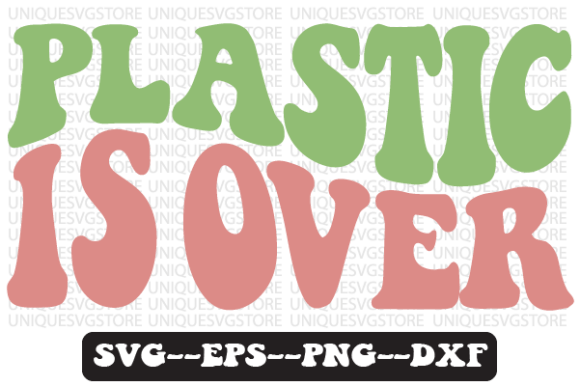
The immediate appeal of this design lies in its nostalgic typography. The retro styling suggests a 1970s influence, which is currently trending heavily in the Crafts sector. When I first loaded the preview, I noted the clean lines and balanced spacing. For an embroidery file intended for sublimation or direct stitching, clarity is paramount. The quote "Plastic is over" is bold without being aggressive, creating a mood that is both urgent and stylish.
This is not just a graphic; it is a statement piece. In the world of Graphics for apparel, legibility often suffers when designers prioritize artistic flair. Here, the balance seems right. The visual personality is confident, making it suitable for customers who want to express their values through their wardrobe. Whether you are creating a personalized gift or stocking your online store, the design carries a professional weight that elevates the perceived value of the item.
Real-World Application Scenarios
To truly understand the utility of this design, I imagined several production scenarios. Picture a custom tote bag design for a local zero-waste shop. The retro font pairs beautifully with natural cotton canvas, offering a durable and eco-conscious accessory. Alternatively, consider sweatshirt embroidery. A crewneck sweatshirt in heather grey or sage green would provide the perfect neutral backdrop for the text, allowing the message to pop without overwhelming the garment.
I also see strong potential in baby embroidery projects, specifically on organic cotton onesies. Parents are increasingly mindful of sustainability, and a soft, well-stitched version of this quote could resonate deeply with that demographic. However, scale is crucial here. What works on a large tote might look cluttered on a small infant garment. Always adjust the dimensions to fit the hoop and the fabric area appropriately.
For Etsy sellers and small business owners, versatility is key. This design can be adapted for custom apparel like hoodies, or even home goods such as pillow covers and kitchen towels. The retro aesthetic fits seamlessly into modern bohemian or minimalist interior styles, expanding your market beyond just clothing.
Technical Considerations for Stitching
While the provided description mentions this is a printable PNG for sublimation, many of us in the industry look for ways to translate these graphics into stitched art. If you are digitizing this yourself or using a converted digital embroidery file, pay close attention to stitch types. The thick strokes of retro lettering often benefit from a fill stitch to ensure coverage, while thinner connecting lines may require a satin stitch for definition.
Be cautious with stitch density. If the design is too dense, it can cause puckering, especially on lighter fabrics. Conversely, if it is too sparse, the fabric underneath may show through, ruining the crispness of the text. Always test on scrap fabric first. Check how the thread interacts with the material. A running stitch outline can help stabilize the edges before the main fill begins, preventing shifting during the sewing process.
Fabric texture plays a significant role. On textured materials like terry cloth or heavy denim, fine details can get lost. Ensure that the lettering is large enough to remain legible. For smooth fabrics like jersey or polished cotton, the design will appear sharper, but you must use the correct stabilizer to prevent distortion. A cut-away stabilizer is often best for stretchy fabrics like those used in custom apparel, while tear-away works well for stable woven fabrics.
Navigating Challenges and Limitations
There are specific contexts where this design requires careful handling. Small hoop sizes can be restrictive. If you are working with a 4x4 inch hoop, you may need to simplify the design or reduce the text size significantly, which could compromise readability. Avoid using this on very thin or sheer fabrics without proper backing, as the weight of the threads might pull the material out of shape.
Dark fabrics present another challenge. If you plan to stitch white or light-colored thread on black fabric, ensure your machine tension is perfectly calibrated to prevent the bobbin thread from showing on top. Additionally, curved surfaces like caps require specialized techniques. The retro font’s straight lines may distort on a curved brim, so positioning is critical. Always center the design carefully and consider using a cap frame for stability.
For items that undergo frequent washing, such as holiday embroidery gifts or daily-use aprons, durability is non-negotiable. Use high-quality polyester threads that resist fading and breaking. Test the washability of your sample before selling it as a handmade product. Customer trust relies on the longevity of your work.
Enhancing Brand Value and Appeal
Incorporating a strong message like "Plastic is over" into your craft business inventory can enhance brand consistency if your shop focuses on sustainability. It signals to buyers that you align with their values. This emotional connection can drive engagement and sales. When creating printable mockup images for your online listings, show the design in various contexts—on a coffee cup, a tote bag, and a shirt—to help customers visualize the end result.
Professionalism in presentation matters. Ensure that your design assets are high-resolution and that any digital files you sell come with clear instructions. If you are offering this as part of a bundle, highlight its versatility. Mention its suitability for commercial embroidery projects, but always advise buyers to check licensing terms. Transparency builds trust and reduces customer service issues down the line.
Final Practical Notes for Makers
Before committing to a large production run, take these steps. First, verify the file format compatibility with your machine. Second, experiment with different thread colors. While black and white is classic, trying earth tones like olive, rust, or mustard can enhance the retro vibe. Third, inspect the small details. Are the corners of the letters sharp? Is the spacing even?
Remember, this is a Printable product primarily, but its value extends to physical creation. Whether you are sublimating onto polyester blends or stitching onto cotton, the core principle remains: quality execution turns a simple graphic into a desirable small shop product. By paying attention to fabric choice, stabilizer type, and stitch quality, you can create items that not only look good but stand the test of time.
Ultimately, the Plastic is over Quote Retro Svg Design offers a compelling blend of style and substance. It is a versatile asset for any maker looking to add meaningful, trendy pieces to their collection. With careful planning and technical precision, it can become a staple in your embroidery project portfolio.