Review: Stitching the Home is Where the Heart is Design
As a designer who has spent countless hours digitizing patterns and troubleshooting thread breaks, I approach every new machine embroidery design with a mix of curiosity and skepticism. We have all seen those generic quote files that look great on a screen but turn into a tangled mess under the needle. Recently, I evaluated the Home is Where the Heart is file to determine if it holds up in real-world production. This isn’t just about aesthetics; it is about functionality, stitch quality, and commercial viability for crafters and small business owners.
First Impressions and Visual Personality
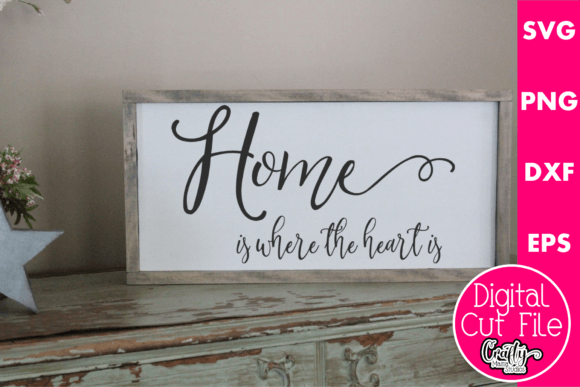
The first thing that strikes you about this design is its balance. Many inspirational quotes rely too heavily on intricate script fonts that require excessive stabilizer or result in poor legibility on textured fabrics. However, this particular layout feels grounded. The integration of the heart motif with the typography creates a cohesive unit rather than two separate elements fighting for attention. It exudes warmth without being overly saccharine, making it versatile enough for modern farmhouse decor or minimalist nursery art.
From a Graphics perspective, the lines appear clean in the preview. For an embroidery project, clean vector lines in the source SVG usually translate to smoother pathing in the digitized version. The mood is inviting, suggesting comfort and stability—exactly what customers look for in home goods. It does not scream for attention; instead, it invites a closer look, which is ideal for items meant to be lived with daily.
Real-World Application: The Tote Bag Test
To truly understand how a design performs, you must imagine it stitched out. I visualized this design on a heavy canvas tote bag, a staple product for many Etsy sellers. The scale of the text relative to the heart icon suggests it would fit comfortably within a 5x7 inch hoop, though a 4x4 hoop might work if the scaling remains legible. On canvas, the fabric texture can interfere with fine details. Fortunately, the boldness of the primary lettering in this design suggests it would withstand the "noise" of woven cotton or linen.
I also considered its application on a fleece sweatshirt. Here, the challenge is always pile distortion. If the design uses dense fill stitch areas, the fabric can pucker. A well-digitized version of this quote should utilize a combination of satin stitch for the borders and lighter fill or even running stitch techniques for internal details to maintain softness. For a personalized gift, such as a baby blanket, the tactile feel is paramount. If the stitching is too raised or stiff, the item loses its comfort factor. This design’s open spacing likely allows the fabric to breathe, preserving the drape of the material.
Versatility Across Product Lines
One of the strongest assets of this design is its adaptability. It is not limited to one niche. Consider these potential applications:
- Custom apparel: Perfect for family reunion shirts or matching mom-and-me outfits.
- Kitchen textiles: Embroidered on aprons or tea towels, it adds a charming, handmade touch to culinary spaces.
- Nursery decor: Soft pastels on a pillow cover create a soothing atmosphere.
- Holiday embroidery: Using red and green threads, it becomes a festive Christmas gift without needing seasonal imagery.
- Embroidered patch: Its self-contained shape makes it an excellent candidate for iron-on or sew-on patches.
For commercial embroidery professionals, having a design that works across multiple categories increases its return on investment. You are not just selling a single item; you are offering a theme that can be adapted for weddings, housewarmings, and boutique branding.
Technical Considerations and Pitfalls
While the design is promising, there are areas where caution is necessary. Small hoop sizes can be tricky. If you attempt to shrink this design below three inches, the lettering may become illegible, and the needle perforations could weaken the fabric structure. Always check the minimum recommended size provided by the digitizer.
Dark fabrics present another challenge. If the design relies on thin outlines, they may disappear against black or navy backgrounds. In such cases, using a contrasting underlay or opting for brighter thread colors is essential. I recommend testing the design in a black-and-white mockup first to ensure the contrast holds up without color reliance. Additionally, curved surfaces like caps require careful hooping. The center of the design should align with the cap’s peak to avoid distortion at the edges.
Stitch density is another critical factor. High-density areas can cause thread breaks or needle deflection, especially on stretchy fabrics. If you are working with jersey knits for t-shirts, a cut-away stabilizer is non-negotiable. For woven fabrics like cotton twill, a tear-away might suffice, but always test on scrap fabric first. This step saves time and materials in the long run, ensuring your finished product meets professional standards.
File Formats and Workflow Integration
The product description notes that the download includes SVG, EPS, DXF, and PNG formats. This is significant for hybrid creators. While the embroidery machine requires specific stitch files (often PES, DST, or JEF, depending on the brand), the vector formats allow for seamless integration into other Crafts. You can use the SVG for vinyl cutting on a Cricut to create mixed-media projects, such as an embroidered shirt with a vinyl accent. The PNG is useful for creating printable mockup images for your online store listings, helping customers visualize the final look before purchasing.
However, note that SVG and embroidery stitch files are not interchangeable. You cannot load an SVG directly into most embroidery machines without digitizing software. Ensure you have the correct stitch file format for your specific machine model. If the package only provides vector graphics, you will need to digitize it yourself or confirm that the seller provides the necessary embroidery-specific formats separately.
Commercial Viability and Brand Trust
For Etsy sellers and small shop owners, the quality of your design reflects directly on your brand. A sloppy stitch-out can lead to negative reviews and returns. Conversely, a crisp, well-executed Home is Where the Heart is embroidery builds trust. It signals that you care about quality and detail. When customers receive a handmade product that looks professional, they are more likely to become repeat buyers.
Licensing is another crucial aspect. Before selling items made with this design, verify the commercial use rights. Some digital downloads are for personal use only, while others allow for unlimited physical sales. Clarifying this upfront prevents legal issues and protects your craft business. If the license permits, this design can become a staple in your portfolio, offering consistent revenue through various seasonal promotions.
Final Verdict
The Home is Where the Heart is design offers a solid foundation for a variety of embroidery projects. Its strength lies in its simplicity and emotional resonance. By paying attention to technical details like stabilizer choice, thread tension, and fabric compatibility, you can transform this digital asset into a high-value physical product. Whether you are creating a tote bag design for a local market or a custom gift for a client, this pattern holds up under scrutiny. Just remember to test, adjust, and respect the limitations of your materials. Happy stitching.