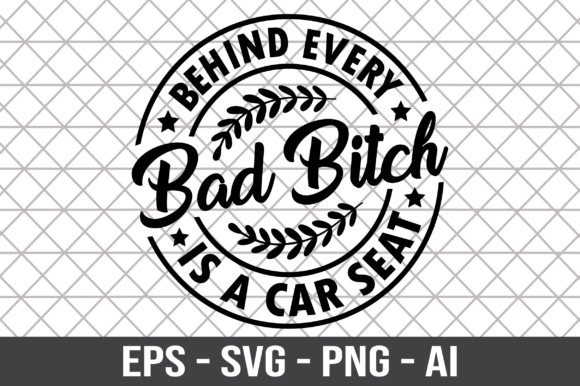
Reviewing Behind Every Bad SVG for Embroidery
As a designer who has spent years translating digital concepts into thread, I approach every new machine embroidery design with a mix of curiosity and caution. We have all been there: staring at a sleek vector on a screen, only to watch it turn into a tangled mess of bird nests on the hoop. When I first encountered Behind Every Bad SVG, my initial reaction was not just about the aesthetic appeal, but about its structural integrity. This is a critical distinction for anyone running a craft business or selling handmade products. The difference between a hobbyist experiment and a professional finished product often lies in how well the digital file respects the physical limitations of fabric and thread.
First Impressions and Visual Personality
The mood of Behind Every Bad SVG is immediately striking. It carries a tone that is both witty and visually balanced, making it an excellent candidate for modern custom apparel and personalized gifts. From a graphic design perspective, the lines are clean, which is a promising sign for embroidery. However, visual cleanliness on a monitor does not always translate to stitching clarity. The theme suggests a playful yet sophisticated vibe, perfect for boutique branding or unique Etsy listings that need to stand out in a crowded market. The layout feels intentional, avoiding the cluttered look that often plagues lower-quality design assets. For an Etsy seller, this kind of visual personality can significantly boost buyer engagement, as it speaks directly to customers looking for something with character rather than generic mass-produced items.
Real-World Application: The Tote Bag Test
To truly evaluate this file, I imagined a specific real-life scenario: creating a custom embroidered tote bag for a local bookshop. Tote bags are a staple small shop product, but they present unique challenges due to their woven texture and potential for shifting during stitching. Using Behind Every Bad SVG for this project requires careful consideration of stitch density. If the design relies heavily on dense fill stitch areas, it could cause the canvas to pucker. Conversely, if it utilizes smart running stitch outlines or strategic satin stitch borders, it will lay flat and look professional.
In this context, the versatility of the file format becomes crucial. Since you receive an Ai file, EPS file, SVG file, and transparent PNG, you have the flexibility to adjust the scale before converting it into an embroidery file compatible with your machine. This is vital because a design that looks perfect on a sweatshirt might be too large for a baby onesie. The ability to resize the vector ensures that the hoop size constraints of your machine do not limit your creativity. Whether you are working on a large pillow cover or a delicate baby embroidery project, having control over the dimensions allows you to maintain the integrity of the design’s proportions.
Navigating Fabric and Stitch Challenges
While Behind Every Bad SVG shows promise, there are areas where caution is necessary. Any experienced embroiderer knows that textured fabrics, such as terry cloth towels or fuzzy fleece, can obscure fine details. If this design includes tiny lettering or intricate corners, those elements may get lost in the fabric texture. I recommend testing the design on scrap fabric first, ideally using the same material you plan to use for the final embroidery project. This step is non-negotiable for maintaining customer trust and ensuring professionalism.
Another critical factor is the choice of thread colors. High contrast works well for bold statements, but subtle tonal variations can highlight the depth of the stitching. When working on dark fabrics, ensure that the design does not rely on thin lines that might disappear against the background. Using a proper stabilizer is also essential, especially for stretchy fabrics like those used in sweatshirt embroidery or caps. Curved surfaces, such as hats, require additional attention to prevent distortion. If the design has large solid areas, consider breaking them up or using an applique design technique to reduce bulk and improve comfort.
Commercial Viability and Brand Consistency
For those using this as a commercial embroidery asset, the impact on brand consistency cannot be overstated. A well-executed design enhances the perceived value of the item. When a customer receives a personalized gift featuring Behind Every Bad SVG, the quality of the stitching reflects directly on your brand. Poorly digitized files lead to frequent breaks, loose threads, and uneven tension, all of which undermine the giftability of the product. By contrast, a clean, well-balanced design encourages repeat business and positive reviews.
It is also worth considering how this design fits into broader marketing efforts. The included transparent PNG is invaluable for creating printable mockups and digital previews for your online store. These Graphics allow potential buyers to visualize the final product before purchasing, increasing conversion rates. However, always verify the licensing terms provided with the download. While the file is suitable for many Crafts projects, confirming whether it allows for unlimited commercial sales of finished items is a necessary step to protect your business.
Practical Designer Notes for Best Results
To get the most out of Behind Every Bad SVG, follow these practical steps:
- Test on Scrap Fabric: Always run a test stitch-out to check for puckering or thread breaks.
- Check Thread Contrast: Ensure your thread colors stand out appropriately against the chosen fabric.
- Review Stitch Density: Adjust density settings if your machine allows, to prevent fabric distortion.
- Confirm Hoop Size: Make sure the resized design fits comfortably within your hoop without hitting the edges.
- Inspect Small Details: Zoom in on the vector file to identify any tiny elements that may not stitch well.
- Use Black and White Mockups: This helps visualize the shape and balance without the distraction of color.
- Compare Backgrounds: Test the design on both light and dark fabrics to ensure visibility.
- Select Proper Stabilizer: Choose cut-away or tear-away stabilizers based on the fabric weight and stretch.
- Verify Licensing: Confirm the usage rights for commercial sales before listing finished items.
In conclusion, Behind Every Bad SVG offers a strong foundation for various embroidery projects, from holiday embroidery gifts to everyday tote bag designs. Its strength lies in its adaptable vector formats and engaging visual style. However, its success ultimately depends on the skill and preparation of the embroiderer. By respecting the technical requirements of machine embroidery and understanding the nuances of different fabrics, you can transform this digital asset into a high-quality handmade product that resonates with customers. Whether you are a seasoned apparel decorator or a hobbyist exploring new creative avenues, this design deserves a spot in your library, provided you approach it with the right technical mindset.