Reviewing Self Care is Not Selfish – Retro for Embroidery
As a designer who has spent countless hours digitizing and stitching out quotes, I have developed a keen eye for what works on fabric versus what only looks good on a screen. When I first encountered Self Care is Not Selfish – Retro, my immediate reaction was one of cautious optimism. The retro aesthetic is currently dominating the Crafts market, but translating vintage typography into a functional machine embroidery design requires careful attention to detail. This isn’t just about slapping text onto a shirt; it is about creating a finished product that feels professional, durable, and emotionally resonant.
First Impressions and Visual Personality
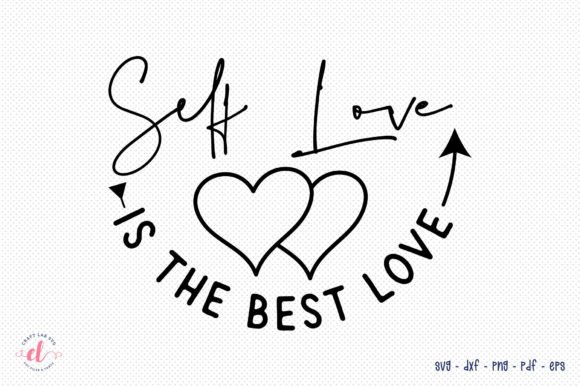
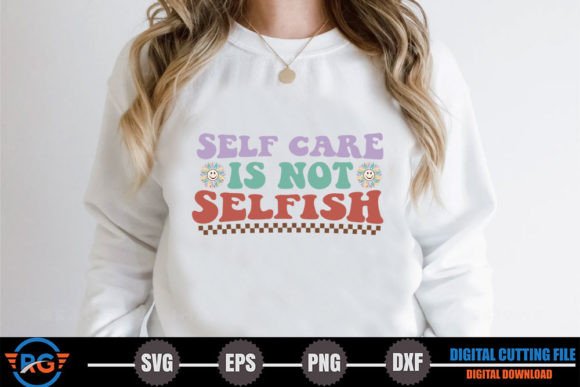
The mood of this piece is undeniably warm and affirming. The retro styling suggests a nod to seventies typography, which typically involves rounded edges and bold, confident letterforms. For an embroidery project, this is promising because thick, rounded letters tend to stitch out cleaner than thin, serif-heavy fonts. The layout appears balanced, avoiding the common pitfall of overcrowding the hoop space. As a Graphics asset, it offers versatility, but as an embroiderer, I am looking at how those curves will translate into satin stitch or fill stitch patterns. The visual personality is calm yet assertive, making it ideal for items meant to provide comfort or encouragement.
Real-World Application: The Tote Bag Test
To truly evaluate Self Care is Not Selfish – Retro, I imagined applying it to a heavy canvas tote bag. This is a staple item for any Etsy seller or small shop product line. On canvas, the bold nature of the retro font would hold up well against the textured weave. The message aligns perfectly with the current cultural shift toward mindfulness, making it a strong candidate for a personalized gift or a boutique branding item.
However, the real test comes with placement. On a tote, centering the design allows the full quote to be read easily. If I were producing this for a craft business, I would consider offering it in multiple colorways. The retro vibe pairs beautifully with muted earth tones—mustard yellows, burnt oranges, and sage greens. These thread colors not only enhance the vintage feel but also ensure high visibility against natural cotton or linen backgrounds. It transforms a simple bag into a statement piece, increasing its perceived value as a handmade product.
Versatility Across Product Lines
Beyond totes, this design shows promise for custom apparel. Imagine it stitched on the chest of a oversized sweatshirt. The softness of fleece complements the gentle message of self-care. Here, the stitch density becomes critical. If the design is too dense, it can make the fabric stiff and uncomfortable. If it is too light, the backing might show through. For a sweatshirt embroidery project, I would recommend using a cut-away stabilizer to ensure longevity, especially since these garments are washed frequently.
It also fits well into the baby embroidery niche, perhaps on a muslin swaddle or a nursery wall hanging. Parents are increasingly drawn to messages that promote mental health and balance. However, for baby items, the scale must be adjusted. What looks powerful on an adult hoodie might overwhelm a small onesie. This is where having access to the source files, such as the SVG or EPS included in the zip, becomes invaluable for resizing without losing quality before digitizing or printing.
Navigating Technical Challenges
While the design is strong, there are areas where caution is necessary. Retro fonts often feature tight kerning or connected letters. In embroidery, this can lead to thread bunching if the digitizing is not precise. Before committing to a final commercial embroidery run, I always advise testing on scrap fabric. Check for pull-outs between letters and ensure that the underlay stitches are sufficient to anchor the top threads.
Curved surfaces present another challenge. Applying this to a cap or hat requires breaking the design into smaller sections or using a specialized cap frame. The width of the phrase might exceed standard front-panel hoops, so verifying the maximum hoop size compatibility is essential. Additionally, on stretchy fabrics like jersey knits, a proper stabilizer is non-negotiable to prevent distortion. Without it, the retro curves could warp, turning a professional design asset into a messy, amateurish result.
Enhancing Brand Consistency and Trust
For digital product sellers and creative entrepreneurs, consistency is key. Using a cohesive style like Self Care is Not Selfish – Retro helps build brand recognition. Customers begin to associate that specific retro aesthetic with your shop’s quality. When a buyer sees a well-stitched, clear, and aesthetically pleasing design, their trust in your craft business grows. It signals that you care about the details, from the choice of thread colors to the neatness of the trim.
This design also serves well in printable mockup previews. Because it is provided in formats like PNG and SVG, you can create digital representations of the embroidered patch or apparel before physically producing them. This saves time and materials, allowing you to gauge customer interest through social media or your online store. It is a smart strategy for managing inventory and reducing waste in a small business environment.
Practical Designer Notes
- Test First: Always stitch a sample on the actual fabric type you intend to sell. Fabric texture affects how the stitches sit.
- Check Contrast: Ensure the thread color contrasts sufficiently with the fabric. A low-contrast combination might look subtle but can render the text unreadable from a distance.
- Review Density: If the design feels heavy, consider adjusting the stitch density in your digitizing software if you have the editable files, or choose a lighter weight fabric carefully.
- Verify Licensing: The product description mentions editable files and commercial use potential, but always confirm the specific license terms before selling finished items. Ensure you are compliant with the creator’s rules for commercial embroidery.
- Mockup Variety: Create mockups on both light and dark backgrounds to show versatility to your customers.
In conclusion, Self Care is Not Selfish – Retro is a compelling addition to any designer’s library. It bridges the gap between trendy aesthetics and meaningful messaging. Whether used for a holiday embroidery gift, a tote bag design for a local market, or a signature element in a custom apparel line, it offers significant potential. By paying attention to technical details like stabilizer choice and stitch density, you can elevate this digital embroidery file into a high-quality finished product that resonates with buyers and stands the test of time.