Smile Now Cry Later Retro Svg Design Review
As a designer who has spent years turning digital files into tangible, stitched goods, I approach every new asset with a critical eye. The market is flooded with generic Graphics, but finding a piece that translates well from screen to fabric requires a specific kind of scrutiny. Today, I am evaluating the Smile Now Cry Later Retro Svg Design. This isn't just about whether the image looks good on a monitor; it is about how this design behaves when converted into a machine embroidery design for real-world applications like custom apparel or boutique merchandise.
The Aesthetic Vibe and First Impressions
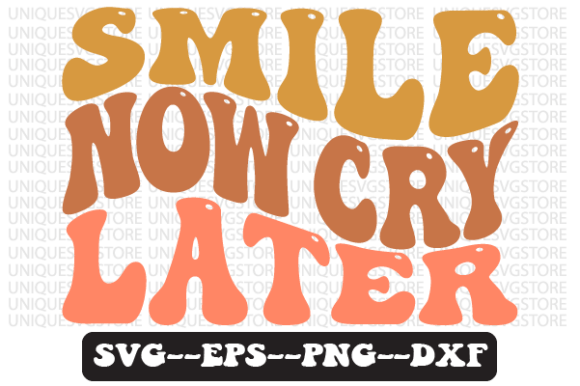
When I first opened the Smile Now Cry Later Retro Svg Design, the mood was immediately clear. It leans heavily into that nostalgic, 80s-inspired aesthetic that has made a massive comeback in streetwear and nursery decor alike. The typography is bold, slightly distressed, and carries an attitude that resonates with both young adults and parents looking for something edgy yet playful. In the world of Crafts, visual personality is everything. This design does not whisper; it speaks with a retro confidence.
However, the transition from a flat digital product to a textured embroidered patch or sweatshirt embroidery is where the rubber meets the road. The layout features distinct curves and sharp angles in the lettering. While visually striking as a PNG or SVG file, these elements demand careful digitization. If you are planning to use this for custom apparel, you need to consider how the "distressed" edges will be interpreted by your machine. Will they become intentional gaps in the fill stitch, or will they turn into jagged, messy threads?
Testing the Design on Real Fabrics
To truly understand the potential of the Smile Now Cry Later Retro Svg Design, I imagined a specific project: a heavy-weight, heather grey hoodie for a small shop product line. Hoodies are tricky because the fabric has a nap and can shift during stitching. If I were to place this design on the chest pocket area, the size would need to be substantial enough to maintain legibility without overwhelming the garment.
In a scenario involving baby embroidery, such as a onesie, the scale changes drastically. The retro font might lose its character if scaled down too much. Tiny lettering often suffers from thread breakage or blurring if the stitch density is not perfectly balanced. For a baby item, the durability is paramount. Parents wash these items constantly. Therefore, the running stitch outlines must be secure, and the fill areas should not be so dense that they pucker the delicate cotton knit.
I also considered using this for a tote bag design. Canvas is forgiving, but the texture can interfere with fine details. The Smile Now Cry Later Retro Svg Design works best here if the colors are high-contrast. Imagine a cream-colored canvas with a deep burgundy or navy blue thread. The retro vibe pops against natural fibers, creating a premium feel that elevates a simple tote into a statement piece for a craft fair or Etsy listing.
Navigating Technical Challenges
Every designer knows that not every file is ready to hoop immediately. When working with the Smile Now Cry Later Retro Svg Design, there are specific areas where caution is required. First, look at the corners of the letters. Sharp 90-degree turns in text are notorious for causing thread bunching. You may need to manually adjust the digitized file to soften these angles or add underlay stitches to stabilize the fabric before the top layer hits.
Another critical factor is the hoop size. If your project involves a curved surface like a cap, the distortion of the design becomes a major concern. The retro script in this design flows horizontally. On a structured cap front, this usually works well, but on a stretchy snapback, the tension could warp the shape. Always test the design on scrap fabric that mimics the final material. If you are using dark fabric, remember that the white or light-colored sections of the retro design will require a solid backing layer, which increases the overall thickness of the finished product.
Furthermore, do not overlook the importance of the stabilizer. For stretchy fabrics like those used in long-sleeve tees or hoodies, a cut-away stabilizer is non-negotiable. Without it, the repeated washing will cause the embroidery file to pucker, ruining the clean lines of the Smile Now Cry Later Retro Svg Design. The longevity of your handmade product depends on these invisible choices.
Commercial Viability and Brand Consistency
For the Etsy seller or small business owner, consistency is key to building trust. The Smile Now Cry Later Retro Svg Design offers a distinct visual identity that can anchor a collection. Whether you are selling personalized gifts for holidays or stocking commercial embroidery for a local boutique, this design fits a niche that values attitude and nostalgia.
However, before you list these items, ensure you have the correct licensing. Just because you own the digital file does not automatically grant you the right to sell unlimited finished goods. Check the terms regarding digital product sellers and commercial use. If you plan to offer this as a downloadable applique design for other makers, the restrictions might differ from selling physical embroidered shirts.
From a customer engagement perspective, this design stands out in mockups. A printable mockup showing the design on a vintage-style sweatshirt can drive sales effectively. But remember, the photo is only half the battle. The actual quality of the stitching determines repeat business. If the thread colors clash or the density causes pulling, the retro charm is lost. Take the time to review thread colors against your fabric swatches. Sometimes, swapping a standard red for a burnt orange can make the difference between a generic print and a curated, high-end look.
Final Designer Notes for Success
If you decide to move forward with the Smile Now Cry Later Retro Svg Design, treat it with the respect a complex embroidery project deserves. Start by testing it in black and white on your machine to check the flow of the path. Then, run a full color test on the exact fabric you intend to use. Inspect the back of the stitching to ensure no loose threads are visible through the front.
This design is versatile, suitable for holiday embroidery gifts, wedding gifts for a fun couple, or even branding for a creative entrepreneur's team wear. Its strength lies in its boldness, but its success relies on your technical execution. By paying attention to fabric texture, stabilizer choice, and stitch settings, you can transform this digital graphic into a high-quality, durable textile art piece that customers will love to wear and display.
Ultimately, the Smile Now Cry Later Retro Svg Design is a strong contender for any maker looking to add some retro flair to their catalog. With the right preparation and a keen eye for detail, it can become a staple in your portfolio of design assets, proving that great style and practical craftsmanship can go hand in hand.