Sorry I'm Not Alexa: Embroidery Design Review
As a designer who has spent years turning digital files into tangible, stitched products, I approach every new machine embroidery design with a mix of curiosity and skepticism. The market is flooded with generic phrases, but occasionally, a concept lands that speaks directly to the current cultural mood. That is exactly what happened when I first opened the file for Sorry I m Not Alexa Don t Tell Me What To Do. This isn't just another text-based graphic; it is a statement piece designed to resonate with anyone feeling overwhelmed by constant connectivity. Before you download this embroidery file for your next project, let's break down how it actually performs in a real-world stitching scenario.
The First Impression: Mood and Visual Weight
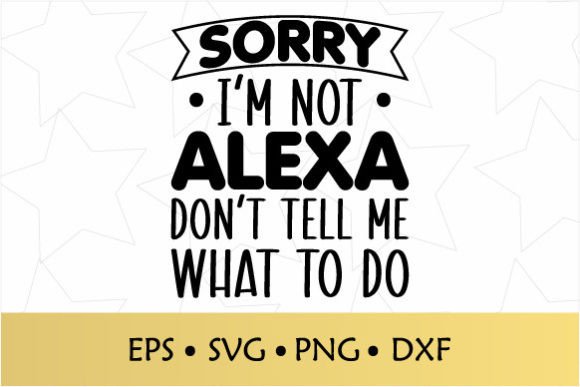
When I pulled up the vector preview of Sorry I m Not Alexa Don t Tell Me What To Do, the immediate takeaway was its bold personality. In the world of Crafts and Graphics, text-heavy designs often fail because they lack rhythm or visual hierarchy. This design, however, manages to balance the length of the phrase without looking cluttered. The layout suggests a playful yet firm tone, which translates perfectly into a handmade product meant to spark conversation.
From a technical standpoint, the vector lines are clean, which is crucial for digitizing. If you are planning to convert this yourself or have it converted by a professional, the clarity of the letterforms means you can expect a high degree of precision in the final finished product. Whether you envision this as a witty addition to a kitchen apron or a sassy detail on a tote bag, the design holds its own visually. It doesn't scream for attention in an aggressive way; instead, it invites the viewer to read and react, which is the hallmark of successful custom apparel.
Real-World Application: From File to Fabric
To truly understand the value of this digital embroidery file, I imagined a specific use case: creating a limited run of embroidered tote bags for a local boutique. Tote bags are a staple for any Etsy seller or small shop owner, but they require designs that can withstand frequent washing and heavy use. When I visualized Sorry I m Not Alexa Don t Tell Me What To Do stitched onto a sturdy cotton canvas, the impact was immediate.
The phrase works exceptionally well on larger surface areas like sweatshirt embroidery or pillow covers. On a sweatshirt, the text could be arched across the chest or placed vertically on the sleeve, utilizing the negative space effectively. For a baby embroidery project, perhaps on a onesie or a nursery banner, the message takes on a humorous, relatable edge for parents constantly managing smart home devices. The versatility of the text allows it to fit various demographics, from tech-savvy teenagers to burnt-out professionals looking for a laugh.
If you are producing holiday gifts or personalized items, this design offers a unique angle. Instead of the traditional "Merry Christmas" or "Happy Birthday," offering a gift with a touch of modern sarcasm can set your brand apart. Imagine a personalized gift where the recipient gets a custom name added below the main phrase. This level of customization increases the perceived value of the item and strengthens customer trust in your craftsmanship.
Considerations for Specific Fabrics and Hoops
While the design is robust, there are scenarios where caution is required. As with any long phrase, the hoop size becomes a critical factor. If you attempt to stitch this entire sentence in a very small 4x4 inch hoop, you risk crowding the letters, which can lead to thread bunching and poor definition. I strongly recommend testing the design on scrap fabric first to ensure the stitch density is appropriate for your chosen machine settings.
Fabric texture also plays a significant role. On smooth, woven fabrics like denim or canvas, the fill stitch will sit flat and look crisp. However, on highly textured materials like fleece or thick knits, the intricate details of the lettering might get lost. In these cases, using a heavier stabilizer is non-negotiable. You want the fabric to remain taut so that the needle penetrates cleanly without distorting the shape of the letters.
For curved surfaces like caps, the layout of Sorry I m Not Alexa Don t Tell Me What To Do needs careful adjustment. Curved stitching requires precise tension control to prevent the design from puckering. If you are making an embroidered patch instead of direct-to-garment work, this design is an excellent candidate. Patches allow you to use a backing that supports the dense stitching, ensuring longevity even after multiple washes.
Design Integrity and Commercial Viability
For creative entrepreneurs and small business owners, the visual appeal of a design directly impacts sales. A poorly executed text design can make a brand look amateurish. Conversely, a well-stitched version of this phrase signals professionalism and attention to detail. The contrast between the white thread and a dark background, such as a black tote bag design or a navy blue hoodie, creates a striking visual pop that draws the eye immediately.
When evaluating this for commercial embroidery, consider the target audience. The humor is universal enough to appeal to a broad range of customers, yet specific enough to feel curated. This balance is essential for maintaining brand consistency. If your shop specializes in witty, modern home goods or apparel, this asset fits seamlessly into your catalog. It adds a layer of personality that generic stock designs often lack.
However, before listing this on your platform, always confirm the licensing terms. The description mentions receiving an AI and EPS file, which are standard vector formats, but you must verify if the license allows for the sale of finished physical goods or if it is restricted to personal use only. Never assume; checking the fine print protects your business from potential legal issues down the road.
Practical Designer Notes for Success
To get the best results with Sorry I m Not Alexa Don t Tell Me What To Do, follow these practical steps:
- Test on Scrap Fabric: Always run a test stitch on a similar fabric to your final project. Check for skipped stitches or thread breaks, especially in the tighter corners of the letters.
- Check Thread Colors: While white on black is classic, experiment with different thread colors to match seasonal trends. A pastel thread on a grey sweatshirt could offer a softer, more subtle look.
- Review Stitch Density: Ensure the fill areas are not too dense, which can cause puckering, nor too sparse, which leaves gaps in the fabric showing through.
- Use Proper Stabilizer: For stretchy fabrics, a tear-away or cut-away stabilizer is essential to maintain the integrity of the design during wear and washing.
- Create Mockups: Use printable mockup tools to visualize how the design looks on different products before committing to expensive materials.
- Verify Licensing: Double-check that your purchase includes rights for craft business sales if you plan to sell the finished items.
In conclusion, Sorry I m Not Alexa Don t Tell Me What To Do is more than just a catchy phrase; it is a versatile design asset that brings a modern, relatable voice to your embroidery projects. With proper preparation and attention to technical details, it can become a standout item in your collection, appealing to buyers who appreciate both quality craftsmanship and a good sense of humor. Whether you are a hobbyist making gifts for friends or a professional decorator fulfilling large orders, this design offers the potential for high engagement and customer satisfaction.